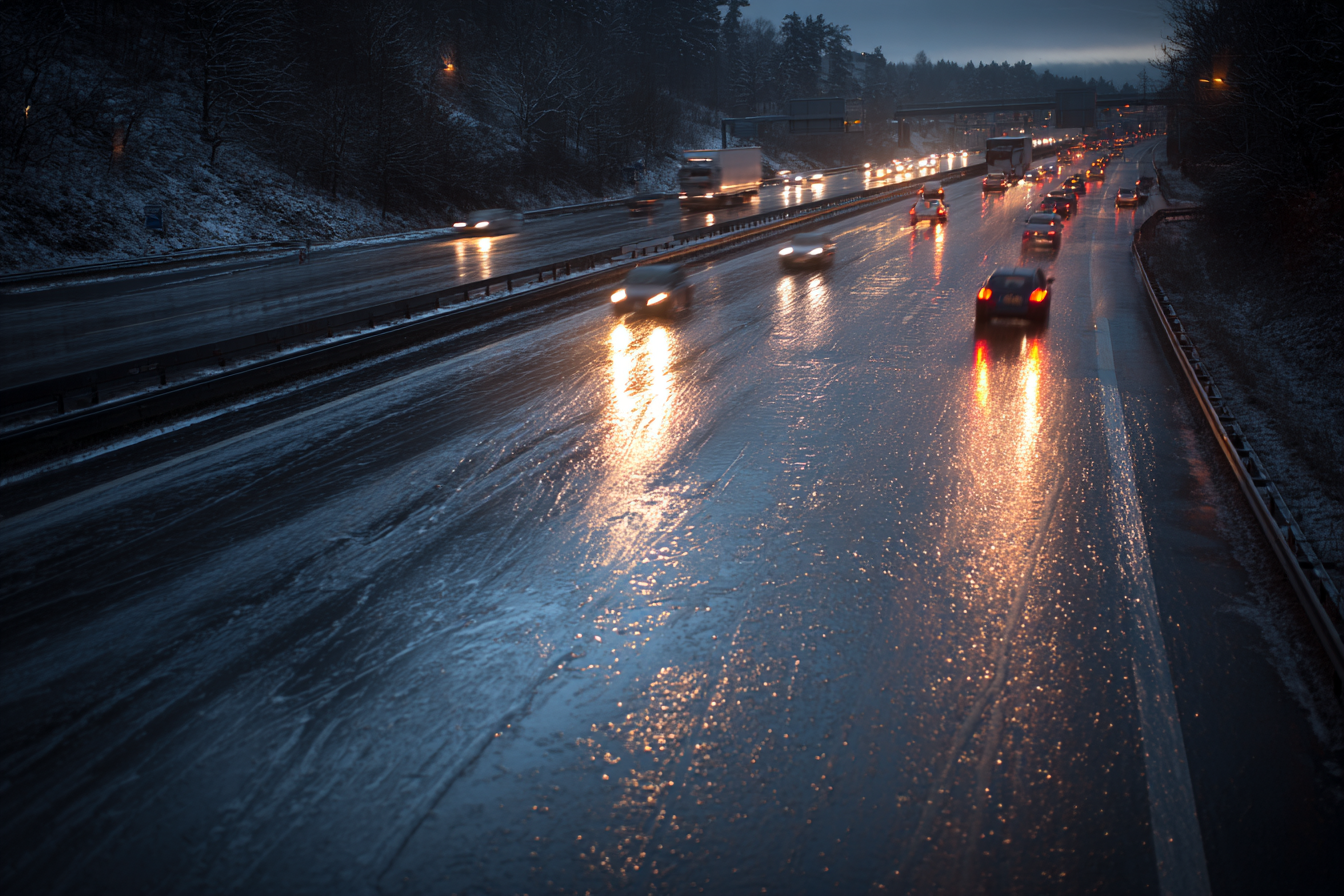

Parking Lots, Sidewalks, and Entryways: Where Stores Are Most Liable for Ice
Customers have a right to safety when visiting a store. You trust that the property owner has cleared the parking lot and entryways before you step out of your car. A quick trip to pick up a few items should not result in a hospital visit.
Many victims blame themselves after a slip-and-fall. You might feel you should have been more observant. It is easy to think that slippery pavement is simply a fact of life in this region.
The law in Connecticut offers a different perspective. You are considered a
Business Invitee when you enter a commercial property. This legal status provides significant protection. Store owners profit from your visit, which creates a strictly defined responsibility. They must actively inspect their grounds and remove hazards like snow or ice to keep you safe.
The Danger Zones Retailers Often Ignore
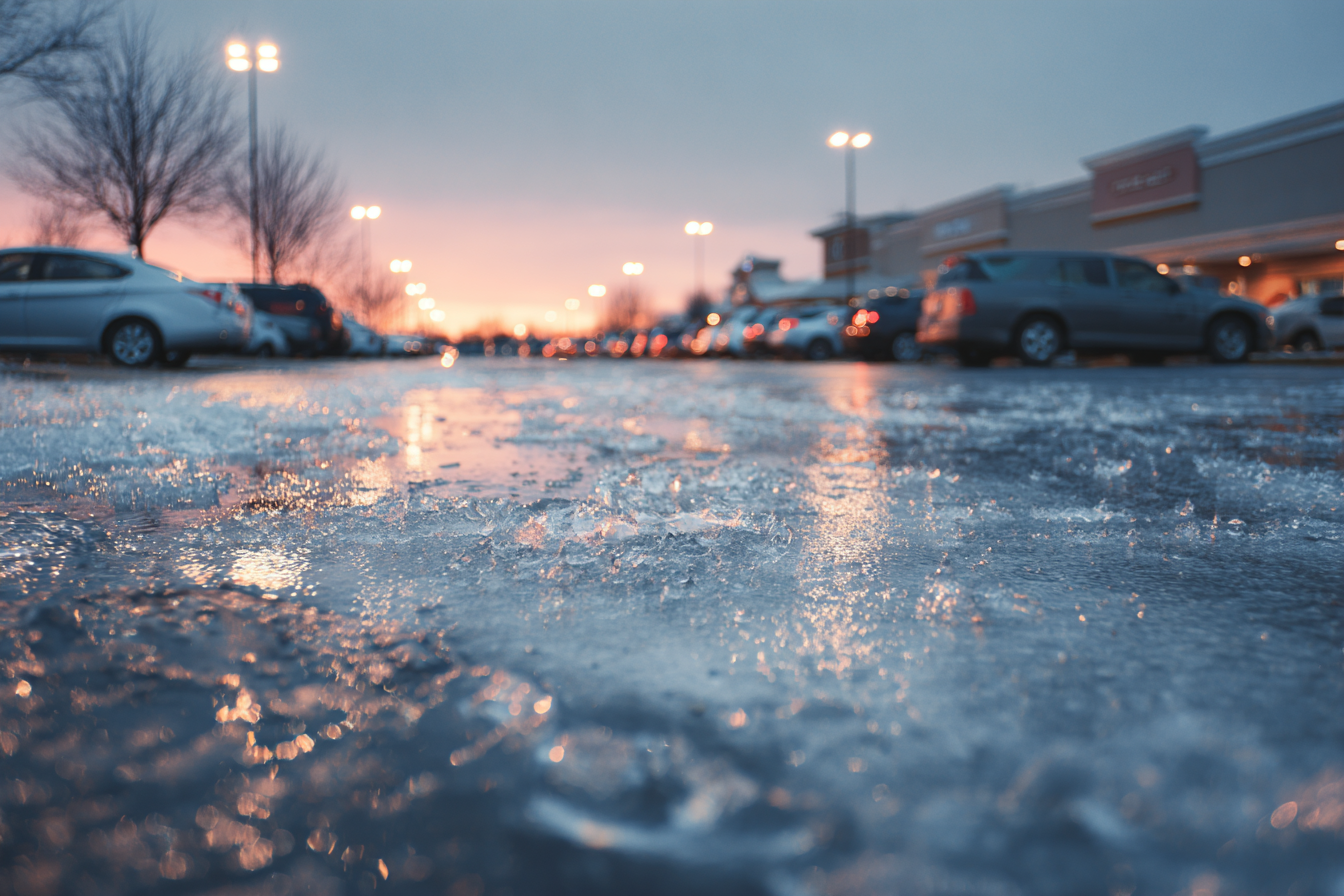
We see clear patterns in where these accidents happen. The danger is rarely in the middle of a clean, dry aisle. Serious falls usually occur in the specific transition zones that stores fail to maintain.
Parking Lots and Black Ice
Plows often push snow to the far corners of the lot to clear space for cars. This snow melts during the sunny hours of the day and runs across the pavement. The water refreezes into black ice once the sun goes down. Store owners and property managers are responsible for salting these predictable runoff areas. They cannot simply plow the main driving lanes and ignore the spots where you walk.
Sidewalks and Curb Cuts
The ramps used for shopping carts are common hazard spots. These curb cuts act as funnels that collect water and freeze into slick patches. Stores must clear a safe path for pedestrians from their cars to the door. Leaving a thin layer of slush that freezes overnight is a failure of their duty of care.
Entryways and Wet Floors
The first ten feet inside a store can be surprisingly dangerous. Customers track in snow and slush on their boots. If the store fails to change the floor mats frequently, the entrance becomes a puddle. A simple plastic caution sign is often not enough. If the mat is soaked, it is no longer effective. The store has a duty to keep this high-traffic area dry and safe for everyone entering the building.
Connecticut's "Ongoing Storm" Doctrine
It is important to understand the limits of premises liability law during active weather. Connecticut courts follow a legal rule known as the Ongoing Storm Doctrine, which was established in the landmark case Kraus v. Newton (1989). This rule acknowledges that it is impractical for a business to keep a walkway perfectly clear while snow is actively falling. A property owner generally has no legal duty to remove snow or ice until the storm has ended.
The "Reasonable Time" Requirement
The store’s responsibility begins the moment the weather event stops. Connecticut law requires property owners to clear the premises within a reasonable time after the storm concludes. They cannot leave ice on the sidewalk for days or fail to salt the parking lot the next morning. If you fell because the business waited too long to act, the Ongoing Storm Doctrine will not protect them.
Exceptions During a Storm
There are specific situations in which a store is liable even when it is snowing. As noted in Kraus, the doctrine does not apply if the defective condition arises from preexisting ice or snow, rather than the ongoing storm. Additionally, a property owner is responsible if they create a new hazard that is separate from the weather itself. A common example is a defective gutter that drips water onto a walkway and creates a patch of ice. The store is also liable if they make the condition worse through negligent plowing efforts. You may still have a valid claim if the dangerous condition was caused by the property structure rather than the falling snow.
$260,000 Settlement
76 year old male suffered a wrist fracture when he slipped an fell on ice when exiting a shopping mall.
Why Evidence Disappears Fast in Retail Cases
Retail slip and fall cases often come down to proof. The store may deny the floor was wet or claim they salted the parking lot an hour before you arrived. The single most important piece of evidence in these situations is surveillance video.
The "24-Hour" Danger Zone
Big box stores, supermarkets, and gas stations almost always have security cameras covering their parking lots and entryways. This footage can prove exactly how long a patch of ice existed before you fell. It can show that employees walked right past a spill and ignored it.
However, these security systems are designed to loop. They frequently overwrite old footage every 24 to 48 hours to save storage space. If you wait weeks to hire an attorney, that critical video evidence may be gone forever.
How We Stop the Deletion
We can prevent this loss by issuing a legal document known as a Preservation Letter (sometimes called a spoliation letter). This notice legally forces the store to save the surveillance footage related to your accident. If they delete the video after receiving this letter, the court can sanction them or instruct the jury to assume the footage would have shown their negligence.
The Importance of an Incident Report
Many victims feel embarrassed after a fall and want to leave the scene immediately. This is a mistake. You must report the accident to a manager before you leave the store. Ask them to file an official Incident Report and request a copy for your records.
If you leave without making a report, the store’s insurance company will almost certainly argue that the accident never happened or that you were injured somewhere else. Creating a paper trail immediately is the best way to protect your right to compensation.
In Conclusion
Shopping should not be a contact sport. Whether you are at a big-box retailer or a local convenience store, you have a right to expect a safe environment. Connecticut law protects Business Invitees by requiring store owners to actively inspect and clear their property of winter hazards. While they may have a grace period during an active storm, they cannot ignore old ice, dangerous entryways, or poorly plowed parking lots.
Don't Pay for a Store's Negligence
If you were injured while spending money at a business, you shouldn't be left with the bill. The team at Walker Injury Law knows how to secure the surveillance footage and evidence needed to hold retailers accountable. Contact our Personal Injury Law Firm Enfield, CT today at (860) 789-1000 or schedule your free case review online to protect your rights.
Contact Walker Injury Law
Call
(860) 789-1000
Injured? Contact our team today to schedule a free case consultation.
Walker Injury Law Personal Injury Attorney Practice Areas
Share Article
Recent Articles