
The “Black Ice” Myth: Why Bad Weather Is Not a Legal Excuse in Connecticut
Anyone who commutes down I-91 or navigates Route 5 during a storm knows the roads can be treacherous. You likely take every precaution to stay safe by reducing your speed and watching for slick spots. It is a terrifying moment when another driver ignores those conditions and slides right into you.
The frustration often grows when that driver tries to blame the weather for their mistake. They might claim they hit a patch of "black ice" or that the snow made the accident unavoidable. In their mind, the weather is to blame, not them.
Victims of these accidents are often left dealing with injuries and car repairs while the at-fault driver refuses to accept responsibility. It is important to understand that in Connecticut, "black ice" is generally not a legal excuse that automatically absolves a driver of liability. Drivers have a legal responsibility to operate their vehicles safely, regardless of conditions on the road.
Why "Black Ice" Isn't a Free Pass
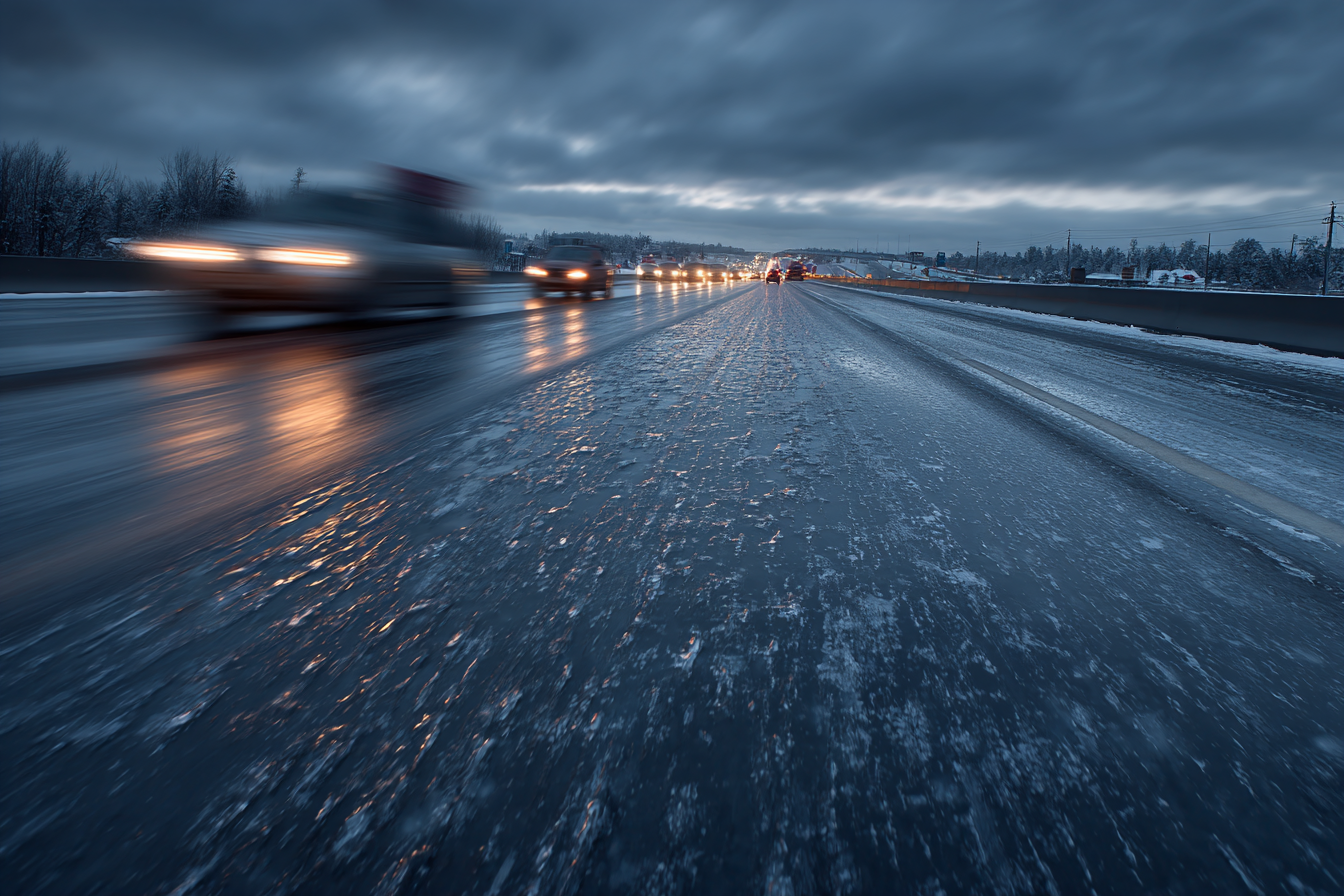
Many drivers believe that if they slide on ice, it qualifies as a "sudden emergency" that gets them off the hook. However, Connecticut law views winter driving differently.
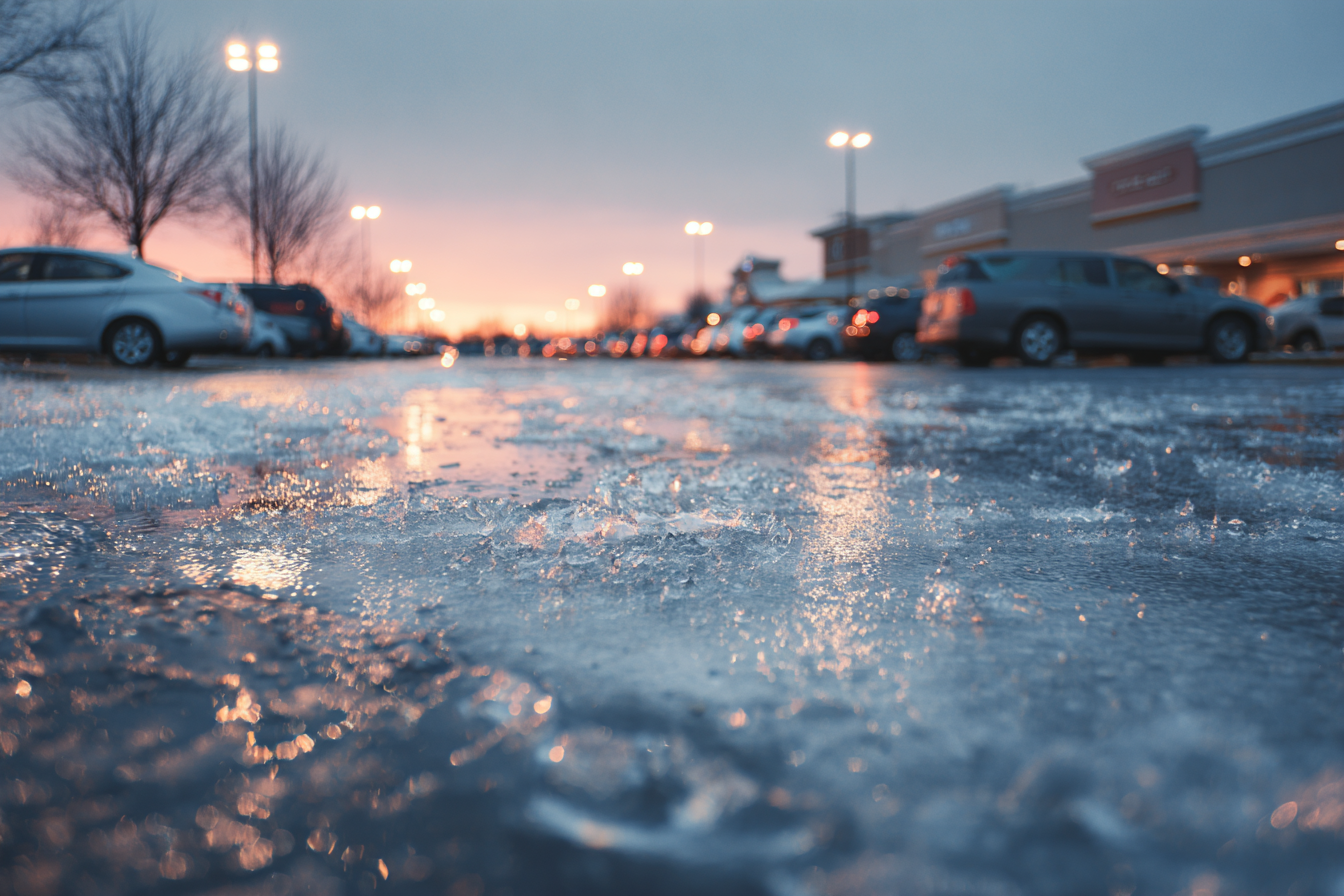
During cold weather months in New England, ice and snow are considered "foreseeable risks." Legally, this means every driver on the road is expected to anticipate that bridges may be frozen or shaded corners may be slick. Because the hazard is predictable, drivers must take appropriate precautions—such as leaving more space between vehicles and driving significantly below the posted speed limit.
If a driver fails to adjust their behavior to match the conditions and causes a crash, they are typically considered negligent—even if they didn't "see" the ice patch.
The Duty to "drive for Conditions"
You might hear the other driver say, "But I was going the speed limit!" This is a common misconception. Under C.G.S. § 14-218a, drivers are prohibited from traveling "unreasonably fast" for the conditions. This statute means that the posted speed limit is only valid for ideal conditions. When the weather turns bad, the legal speed limit is effectively whatever is safe at that moment.
- If the posted limit is 65 mph, but the road is icy, driving 65 mph is negligent.
- If visibility is poor, a reasonable driver slows down.
If a driver hits you because they couldn't stop in time, it is often proof that they were violating this statute by traveling too fast for the specific road conditions.
Common Causes of Winter Accidents (And The Laws They Violate)
When a driver blames "black ice," they are often trying to distract from the fact that they violated a specific traffic safety law. In Connecticut, statutes require drivers to adjust their behavior for winter weather. If a driver hits you, it is likely because they failed to follow one of these critical rules:
- Following Too Closely (C.G.S. § 14-240) Stopping distances can increase by ten times on snowy roads. Drivers are legally required to leave a "reasonable" distance between vehicles based on the speed, traffic, and road conditions. If a driver rear-ends you because they couldn't stop in time on the ice, they were likely following too closely for the conditions, making them liable for the crash.
- Failure to Remove Snow/Ice ("Ice Missiles") (C.G.S. § 14-252a) We have all seen "igloo cars" driving down I-91 with snow piled on their roofs. This is illegal in Connecticut. Drivers must remove accumulated ice and snow from their hood, trunk, and roof before getting on the road. If a sheet of ice flies off another vehicle and cracks your windshield or causes you to crash, that driver faces specific fines and is liable for your damages.
- Distracted Driving (C.G.S. § 14-296aa) Winter driving demands 100% of a driver's attention. A driver who is texting or adjusting their GPS cannot react to a sudden skid or a patch of ice. If electronic data reveals the driver was using their phone at the time of the crash, it defeats their argument that the "weather" caused the accident.
What If You Slide, Too? (Comparative Negligence)
A common fear victims have is that they cannot sue if they were partially at fault. Perhaps the other driver hit you, but you were also sliding slightly or had a broken taillight.
Do not let this stop you from seeking help. Connecticut follows a "Modified Comparative Negligence" standard. This means you can still recover compensation for your medical bills and car repairs as long as you were not more than 50% at fault for the crash.
- How it works: If a jury decides you were 10% responsible for the accident and the other driver was 90% responsible, you can still collect 90% of your total damages.
- The Insurance Trap: Insurance adjusters often try to convince victims that any sliding on their part means they have no case. This is false.
When Is a Property Owner Liable?
While most winter accidents are the fault of a negligent driver, there are rare cases where liability falls on a municipality or business.
- Public Roads: If a town failed to salt a road after a storm despite having ample time and notice, they might be liable (though suing a municipality in CT has strict notice requirements).
- Private Property: If the accident happened in a shopping center parking lot or a private driveway because the owner failed to plow or salt, the property owner could be responsible for the hazardous condition.
Protecting Your Rights After a Winter Crash
Insurance companies are quick to label winter accidents as "unavoidable acts of nature" to avoid paying claims. To fight this, it is critical to gather evidence that proves the other driver was negligent. This includes police reports, photos of the road conditions, and witness statements.
If you have been injured in an accident caused by black ice or winter weather, it is recommended to consult with an experienced Connecticut personal injury attorney to assess the specific circumstances of your case.
$600,000 Settlement
Client was a 57 Year old male riding as a passenger in a tractor trailer The roads were slippery due to freezing rain and the driver slid off the roadway into a ditch. The client suffered several fractures including a compression fracture in his back.
Get a Free Case Review
Don't let an insurance adjuster tell you that your accident was just "bad luck." If someone else’s negligence caused your injury, you deserve compensation. Speaking with an experienced
Connecticut personal injury lawyer can help you understand your rights and next steps. Contact the team at Walker Injury Law in Enfield, CT today at
(860) 789-1000 or
schedule your free legal consultation online to get started immediately.
Contact Walker Injury Law
Call
(860) 789-1000
Injured? Contact our team today to schedule a free case consultation.
Walker Injury Law Personal Injury Attorney Practice Areas
Share Article
Recent Articles