
Connecticut's 51% Rule: How Shared Fault Affects Your Injury Claim
You were involved in an accident, and now the insurance company is telling you that part of it was your fault. Maybe the adjuster says you were driving too fast or could have done something differently. Suddenly, you're wondering if that means you won't receive any compensation for your injuries.
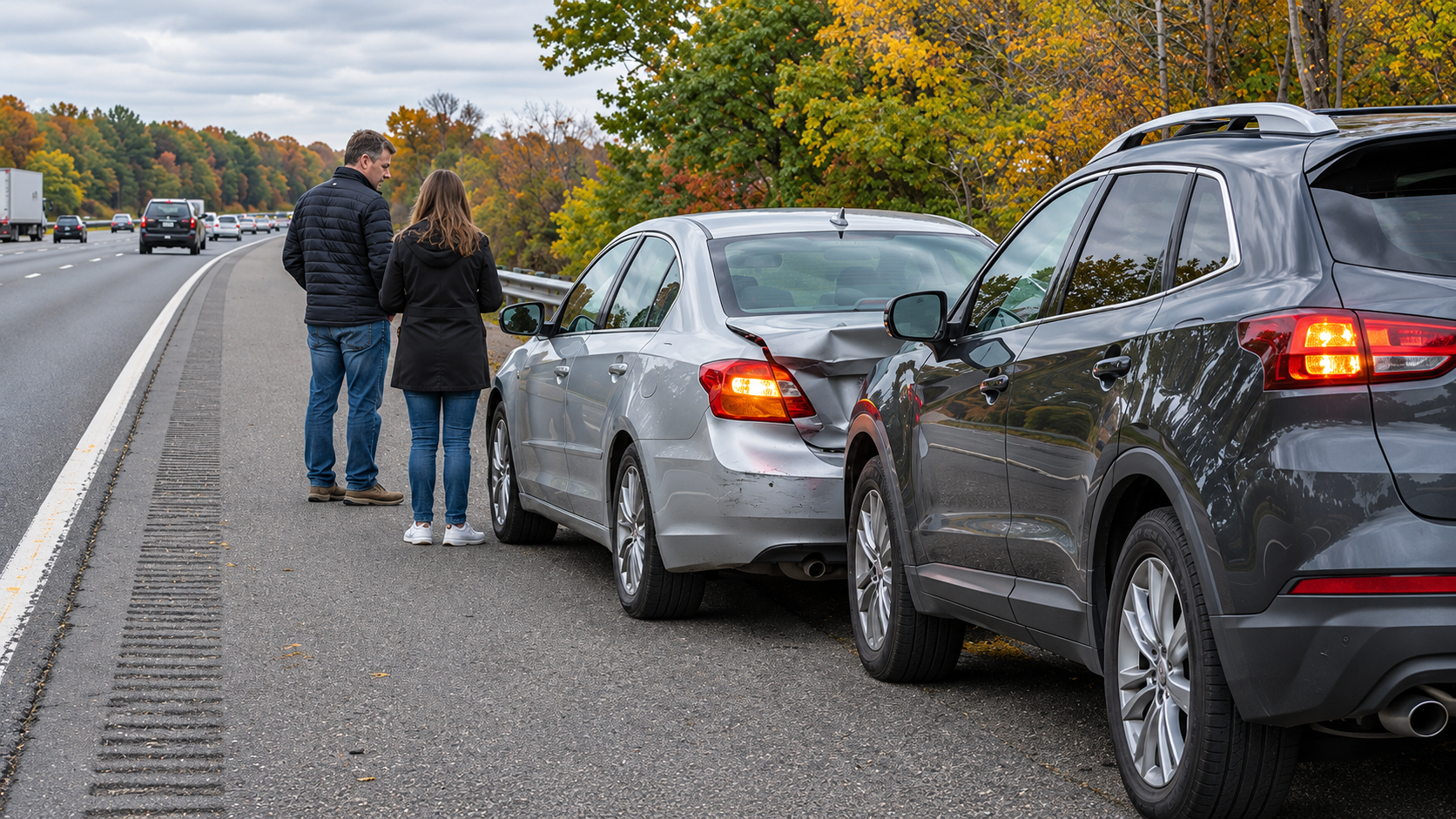
Connecticut has specific rules for accidents where more than one person shares responsibility. Under the state's comparative negligence system, being partly at fault doesn't automatically mean you have no case. Understanding how this works can help you make better decisions, especially when an insurance company questions your claim.
1. What Connecticut's 51% Rule Actually Means
Connecticut follows a legal system called modified comparative negligence, which determines how compensation is affected when an injured person shares responsibility for an accident. Under this rule, you may still recover compensation as long as you were not more than 50% at fault. However, the amount you can receive is reduced based on your share of responsibility. If you're found to be more than 50% responsible, you cannot recover damages under this rule.
This is commonly called the 51% rule because crossing that percentage can prevent someone from recovering compensation. For example, if you were found 10% responsible for an accident, your compensation would be reduced by 10%. The remaining 90% would still be available based on the damages established in your case. Walker Injury Law explains this rule in its article about black ice accidents and shared responsibility.
The rule can affect different types of personal injury cases, including car accidents, pedestrian accidents, and slip-and-fall injuries. It also affects compensation for losses such as medical bills, lost wages, property damage, and pain and suffering. Understanding what you may be able to recover is an important part of evaluating an injury claim when responsibility is disputed.
2. How Is Fault Determined After an Accident?
Determining fault involves looking at what happened and the actions of everyone involved. An insurance adjuster may assess responsibility while reviewing a claim, but that assessment isn't necessarily the final decision. If a case goes to trial, a jury can determine how responsibility should be divided. The evidence surrounding the accident plays an important role in reaching that decision.
In car and truck accidents, investigators may look at speeding, distracted driving, following too closely, or failing to yield. Running a red light or stop sign can also contribute to an accident. Responsibility may involve more than two parties, especially in commercial truck cases. For example, a truck driver, trucking company, or business responsible for loading cargo may each have played a role. Walker Injury Law discusses these situations in its guide to how fault is determined in Connecticut truck accidents.
The available evidence helps establish what each person did and how those actions contributed to the accident. Police reports, photographs, witness statements, and surveillance footage can provide information that wasn't clear at the scene. Truck accidents may also involve maintenance records or electronic driving logs. Because camera recordings can be overwritten and witnesses may forget details, preserving evidence after an accident is especially helpful when responsibility is disputed.
3. Why Insurance Adjusters May Say You're Partly at Fault
An insurance adjuster's assessment of responsibility can have a direct effect on how much the company offers to pay. Assigning part of the fault to the injured person may reduce the amount of compensation available under Connecticut's shared-fault rule. This is one reason it's important to understand how the rule works before accepting the insurance company's assessment.
Attorney James J. Walker spent nine years working as an insurance claims adjuster and bodily injury specialist before becoming a personal injury attorney. His experience gave him firsthand knowledge of how insurance companies investigate accidents, review injuries, and evaluate claims. Walker Injury Law warns that adjusters sometimes suggest that any amount of responsibility means an injured person cannot recover compensation. Under Connecticut's modified comparative negligence rule, that simply isn't the case.
Disagreements about fault can also happen when you're dealing with your own insurance company. In an uninsured or underinsured motorist claim, an insurer may dispute how much responsibility another driver had or question the extent of your injuries. If an adjuster tells you that you were partly responsible, you don't have to assume their assessment settles the matter. Having the facts reviewed by an attorney can help you better understand your options.

4. How Shared Fault Can Affect Your Compensation
When an accident involves shared responsibility, the percentage of fault assigned to you can affect how much compensation you may receive. Walker Injury Law explains that if you're found 10% responsible for an accident, your compensation may be reduced by that same percentage. This means you could still recover 90% of your established damages. If you're found 20% responsible, the amount would be reduced by 20%.
The difference becomes especially important when your share of responsibility reaches 50%. Under Connecticut's modified comparative negligence rule, you may still recover compensation as long as you were not more than 50% at fault. However, if your responsibility exceeds 50%, you cannot recover damages under this rule. This is why determining what happened and how responsibility is divided matters when evaluating an injury claim.
The percentage of fault is only one part of the process. Walker Injury Law also explains that compensation may include medical expenses, lost wages, property damage, and pain and suffering. The amount of these losses and the responsibility assigned to each party can both affect the outcome of a claim.
5. Real Walker Injury Law Cases Involving Disputed Responsibility
Disagreements about responsibility happen in many types of injury cases. Walker Injury Law has handled claims where the other side denied negligence or challenged the circumstances surrounding an accident. The following examples from the firm's case results show why investigating what happened can make a difference.
In a $7,000,000 motorcycle accident settlement, a 21-year-old motorcyclist was killed when a tractor-trailer turned left in front of him. The defense initially denied the claim entirely - arguing that several witnesses said the motorcyclist caused the accident by speeding. Even the police investigation concluded that the motorcycle was at fault. However, Walker Injury Law's investigation revealed that the witnesses had based their assumptions on how loud the motorcycle sounded as opposed to actually seeing the motorcycle, and the police investigation was largely incompetent. Walker Injury Law’s investigation showed that the truck driver had a long line of sight and aggressively cut right in front of the motorcycle to make the left turn.
Another case involved an older woman who was knocked down by a malfunctioning automatic door. The defendants argued that they had no warning the door was not working properly. During litigation, evidence revealed that required inspections and safety checks had not been performed. The case resulted in a $310,000 settlement during jury selection.
In a $255,000 slip-and-fall settlement, a woman suffered a fractured ankle after slipping on ice outside her apartment door. The apartment complex denied responsibility and claimed the area had already been treated. Photographs taken by the woman's sister immediately after the fall showed thick ice outside the entrance.
A fourth case involved a worker whose foot became caught between a dumpster and a truck at a recycling yard. The truck driver denied negligence and claimed the worker had stepped between the vehicles. Walker Injury Law handled the disputed claim, which resulted in a $240,000 settlement.
These cases involved different circumstances, but they share an important point. The other side's initial explanation was not necessarily the final account of what happened. Investigating the facts and gathering evidence helped address the disputes in each case. Every injury claim is different, and past settlements do not guarantee similar results.
6. What to Do When Your Share of Fault Is Disputed
If an insurance company believes you were partly responsible for an accident, focus on preserving the information that supports your account of what happened. Photographs, witness contact information, police reports, and other available records may help clarify the circumstances. Surveillance footage can be especially useful, but recordings may not be kept indefinitely. The sooner important evidence is identified and preserved, the better.
Be careful about discussing your claim with other people or sharing accident details on social media. Walker Injury Law advises injured individuals to speak with an attorney before signing documents from an insurance company or another party involved in the accident. Statements and paperwork can become part of the claim, so it's better to understand what you're being asked before making decisions.
You should also be aware of the time available to pursue a personal injury lawsuit. Connecticut generally has a two-year filing deadline from the date of injury, although certain circumstances may involve different requirements. Waiting can make it harder to gather evidence and understand the full circumstances of an accident. If responsibility is being disputed, speaking with an attorney early can help you understand the next steps and how the law may apply to your situation.
Talk to Walker Injury Law
Being told you're partly responsible for an accident doesn't automatically mean you have no case. Walker Injury Law helps injured people throughout Connecticut understand their options when fault or compensation is disputed. Attorney James J. Walker brings experience from both sides of the insurance claims process and can review the circumstances of your injury.
The firm serves clients in Enfield, Suffield, Ellington, East Windsor, Granby, and communities throughout Connecticut. The office is located at 77 Hazard Avenue, Suite M-1, Enfield, CT 06082.
Call (860) 789-1000 or visit the Contact page to schedule a free consultation. Walker Injury Law handles personal injury cases on a contingency fee basis, meaning there is no attorney fee unless there is a recovery.
This article provides general information and is not legal advice about your individual situation.
Frequently Asked Questions
Can I Still Get Compensation if a Connecticut Accident Was Partly My Fault?
Yes. Under Connecticut's modified comparative negligence rule, you may still recover compensation as long as you were not more than 50% responsible for the accident. Your compensation is reduced by your share of fault. For example, someone who is 10% responsible may recover 90% of their established damages.
Who Decides What Percentage of Fault I Have?
An insurance adjuster may assess fault while reviewing your claim. If the case goes to trial, a jury can determine how responsibility is divided. Evidence such as police reports, photographs, witness statements, and video recordings can help establish what happened and each person's role in causing the accident.
What if the Insurance Adjuster Says I Was Speeding or Distracted?
An adjuster's assessment doesn't necessarily mean your case is over. Walker Injury Law has handled cases where the defense challenged the injured person's actions. In one motorcycle accident case, the defense claimed the rider was speeding, but the firm's investigation uncovered evidence about the truck driver's opportunity to see him.
Does the Shared-Fault Rule Apply to Slip-and-Fall and Pedestrian Accidents?
Shared responsibility can also be considered in slip-and-fall and pedestrian injury cases. For example, a pedestrian who fails to use reasonable care may share some responsibility for an accident. Evidence about the conditions, actions of those involved, and cause of the injury can help determine how responsibility should be divided.
How Long Do I Have to File a Claim if Fault Is Disputed?
Connecticut generally allows two years from the date of injury to file a personal injury lawsuit, although certain circumstances can affect the deadline. Disputed claims may require additional investigation, and useful evidence can disappear over time. Speaking with an attorney early can help you understand the deadlines that apply to your case.
Contact Walker Injury Law
Call
(860) 789-1000
Injured? Contact our team today to schedule a free case consultation.
Walker Injury Law Personal Injury Attorney Practice Areas
Share Article
Recent Articles