
What to Do After a Car Accident in Connecticut: A Step-by-Step Checklist (and What Not to Say)
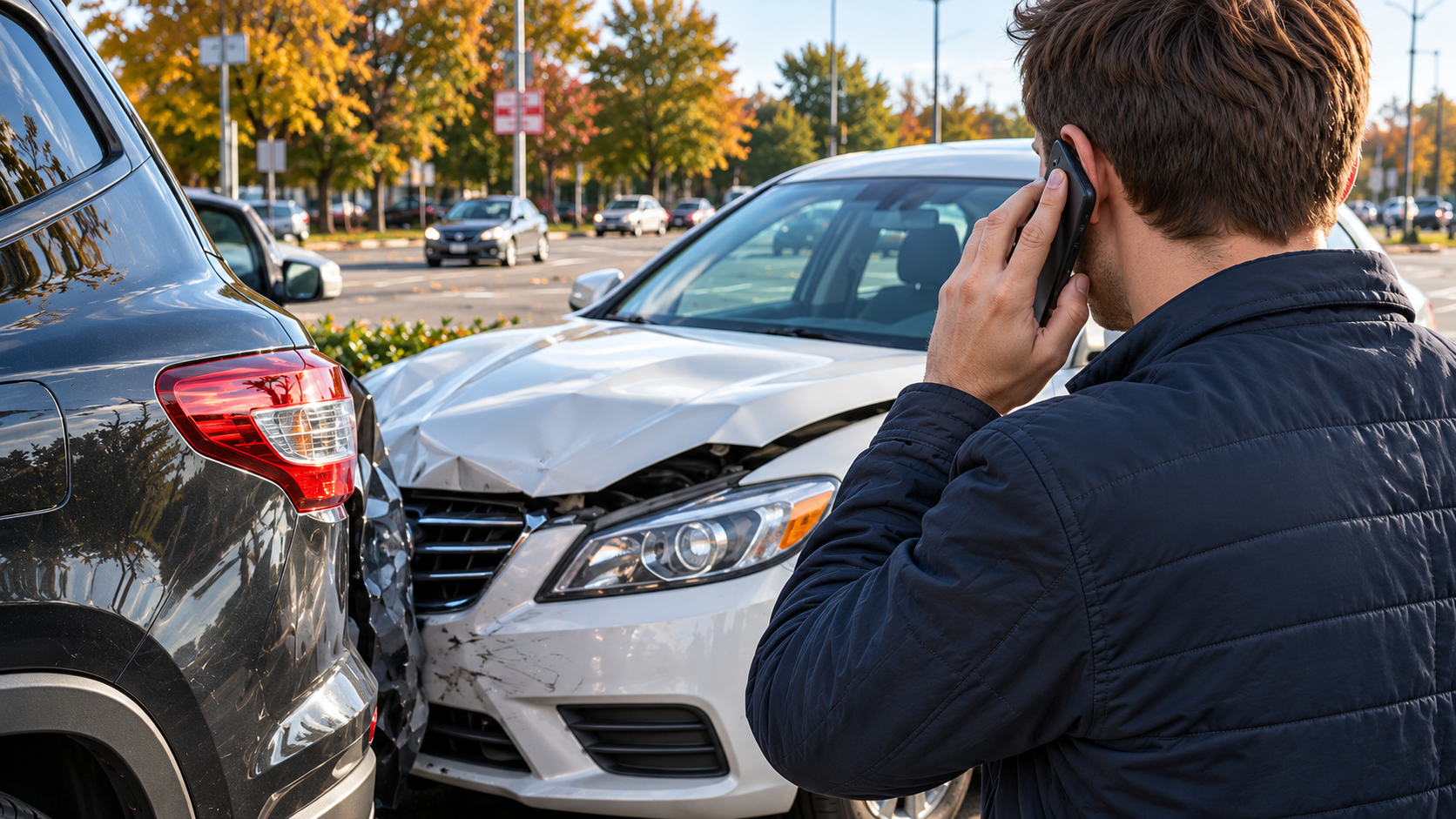
Getting into a car accident can leave you shaken and unsure of what to do next. You might be driving on I-91 near Enfield or stopped at a traffic light on Hazard Avenue when another vehicle hits yours. Suddenly, you're checking for injuries, looking at the damage, and trying to figure out who to call.
Knowing what to do after a car accident in Connecticut can help you make better decisions during those first few hours. Attorney James J. Walker spent nine years working as an insurance claims adjuster before becoming a personal injury attorney. His experience provides valuable insight into how insurance companies handle accident claims and why the steps you take afterward matter.
1. Stop, Check for Injuries, and Call 911
After a car accident, your first priority should be making sure everyone is safe. Check yourself and your passengers for injuries, and call 911 to report what happened. If anyone is hurt, getting medical attention and police assistance should come before dealing with vehicle damage or insurance information. Walker Injury Law recommends contacting police after a crash, even when the damage initially appears minor.
Stay at the accident scene and cooperate with responding officers. Leaving without exchanging information or reporting the accident can lead to serious legal consequences. Connecticut refers to leaving the scene under these circumstances as evading responsibility. A police report can also help document the accident, including statements from the drivers and any citations issued.
If the other driver leaves before police arrive, do not attempt to follow them. Instead, try to remember their license plate number, vehicle color, make, model, and direction of travel. Share those details with the responding officer. Walker Injury Law's guide to hit-and-run accidents in Connecticut explains what drivers should do when someone leaves the scene.
2. Document the Accident and Gather Important Information
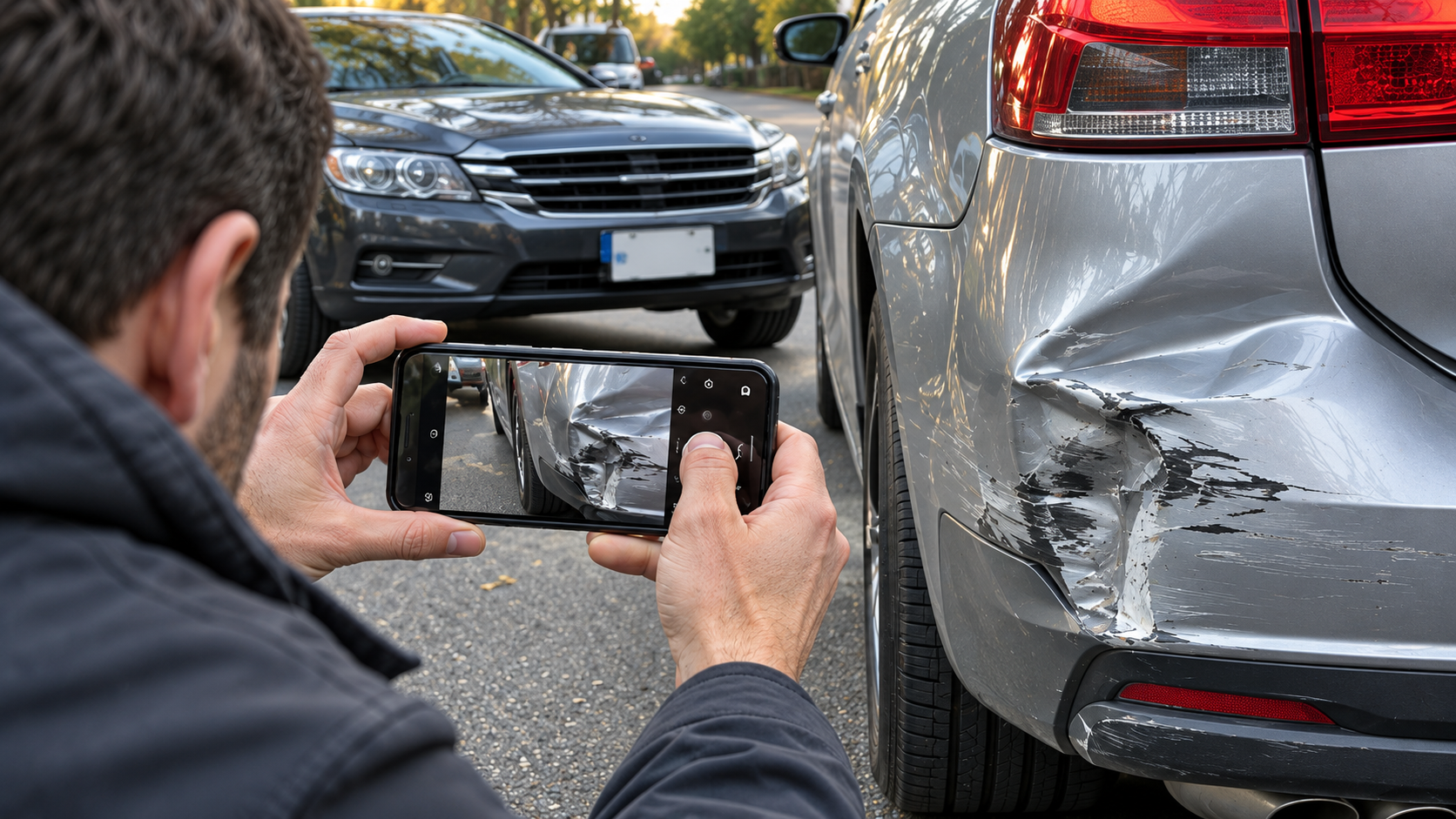
Once everyone is safe, take time to document the accident before leaving the scene. Photos can help show the damage, where the vehicles were positioned, and the surrounding road conditions. Take pictures from several angles, including close-ups of the damaged areas and wider photos that show the entire scene. A short video can also help capture details that individual pictures might miss.
You should also exchange contact and insurance information with the other driver. If anyone witnessed the accident, ask for their name and phone number before they leave. Nearby homes or businesses may have security cameras that recorded what happened, but that footage may not be saved for long.
A simple car accident checklist for Connecticut drivers includes:
- Photographing vehicle damage, license plates, and the surrounding scene.
- Exchanging names, contact details, and insurance information.
- Recording the make and model of the vehicles involved.
- Getting contact information from witnesses.
- Looking for nearby cameras that may have captured the accident.
- Saving photos, videos, and other records in a safe place.
While gathering information, keep your conversations with the other driver focused on the facts. Avoid guessing about what caused the accident or accepting responsibility before all the details are known. Walker Injury Law explains more about preserving evidence after an accident and how those records may help support your claim.
3. Get Medical Attention, Even if You Feel Okay
Getting checked by a medical professional is an important step after a car accident, even when you don't feel seriously injured. Some people walk away from a crash thinking they are fine, only to notice pain, stiffness, or other symptoms later. What initially seems like a minor injury may turn out to require more medical attention than expected.
Walker Injury Law has handled cases where injuries became more serious after the accident. In one case, a client was rear-ended at a traffic light and declined an ambulance because the injuries did not initially seem severe. The client later required neck surgery, and the case resulted in a $300,000 recovery. This example shows why taking new or worsening symptoms seriously matters, even when you feel okay at the scene. Every case is different, and past results do not guarantee a similar outcome.
Following your doctor's recommendations and keeping records of your medical care can also help document how the accident affected you. Save medical bills, prescriptions, repair estimates, and correspondence from insurance companies. These records may become important when determining how your injuries and pain and suffering are valued as part of a personal injury claim.
4. Contact Your Insurance Company and Understand Your Coverage
After addressing your immediate safety and medical needs, contact your own insurance company to report the accident. Walker Injury Law recommends doing this promptly, especially when someone has been injured or there is significant vehicle damage. Provide accurate information about when and where the accident happened, and keep copies of any correspondence you receive. If police responded, keep the report information with your other accident records.
Insurance coverage can become more complicated when the other driver has no insurance or does not have enough to cover your injuries. Connecticut requires uninsured motorist coverage, which may help when the responsible driver has no insurance or cannot be identified after a hit-and-run. Underinsured motorist coverage may apply when the other driver's insurance is not enough to cover the claim.
One thing many drivers do not realize is that their own insurance company may take an opposing position during an uninsured or underinsured motorist claim. Insurance adjusters evaluate claims with the company's financial interests in mind, which can lead to disagreements about fault, injuries, or compensation. Understanding your uninsured and underinsured motorist coverage can help you recognize when additional guidance may be useful.
5. What Not to Say After a Car Accident: An Adjuster's Perspective
Be careful about the statements you make after an accident, especially when speaking with an insurance company. Attorney James Walker spent nine years working as a claims adjuster and bodily injury specialist for a national insurance company. That experience gave him an understanding of how insurers investigate accidents, review statements, and evaluate injury claims.
Be especially careful when an insurance adjuster requests a recorded statement or asks you to sign documents. Walker Injury Law advises speaking with an attorney before agreeing to these requests, particularly when dealing with the other driver's insurance company. Avoid discussing accident details on social media, since statements and posts may later be used when reviewing your claim.
The best approach is to stay calm, be truthful, and avoid making assumptions. If you're unsure about a question or document, ask for the information in writing and consider speaking with an attorney first. Walker Injury Law's guide to choosing the right car accident attorney explains what to look for when seeking legal help.
6. Understand Connecticut's Accident Laws and Your Rights
Learn about the deadlines that may apply to your accident claim. Connecticut generally gives injured people two years from the date of injury to file a personal injury lawsuit. This deadline is called the statute of limitations. Some circumstances can affect when the deadline begins, and claims involving a town or government agency may have much shorter notice requirements. Waiting too long can affect your ability to pursue compensation, so it is helpful to understand the deadlines that apply to your situation.
Another important rule involves accidents where more than one driver shares responsibility. Connecticut follows a system called modified comparative negligence. Under this rule, you may still recover compensation if you were not more than 50% responsible for the accident. However, the amount you recover is reduced by your percentage of fault. For example, someone found 10% responsible may recover 90% of their damages.
These rules can make accident claims difficult to handle without guidance, especially when injuries are involved or the insurance company disputes who caused the crash. An Enfield car accident lawyer can review the circumstances, explain the available options, and help you understand how the law may apply. Walker Injury Law offers free consultations, and the firm handles personal injury cases on a contingency fee basis, meaning there is no attorney fee unless there is a recovery.
Talk to Walker Injury Law
If you've been injured in a car accident in Enfield or the surrounding Connecticut communities, Walker Injury Law is available to help you understand your options. Attorney James J. Walker brings experience from both sides of the insurance claims process and works with injured individuals throughout the state.
The firm is located at 77 Hazard Avenue, Suite M-1, in Enfield, Connecticut, and serves clients in Suffield, Ellington, East Windsor, Granby, and nearby communities. Call (860) 789-1000 or visit the Contact page to schedule a free consultation and discuss your accident.
This article provides general information and is not legal advice about your individual situation.
Frequently Asked Questions
Should I Call the Police After a Minor Car Accident in Connecticut?
Walker Injury Law recommends calling 911 after a car accident, even when the damage appears minor. Police can document what happened and prepare a report that may include statements from the drivers and any citations issued. If someone is injured, getting medical assistance should be your first priority.
How Long Do I Have to File a Car Accident Claim in Connecticut?
The general deadline for filing a personal injury lawsuit in Connecticut is two years from the date of injury, although exceptions may apply. Claims involving government entities can have shorter notice requirements. Insurance reporting requirements are separate from lawsuit deadlines, so it is best to address your claim promptly.
What if the Driver Who Hit Me Has No Insurance or Drove Off?
Your uninsured motorist coverage may help if the other driver has no insurance or cannot be identified after leaving the scene. Underinsured motorist coverage may apply when the responsible driver's insurance is not enough. These claims involve your own insurance company, and coverage depends on the circumstances and your policy.
Should I Talk to the Other Driver's Insurance Company?
Be careful when speaking with the other driver's insurance company. Walker Injury Law recommends providing accurate information without guessing about the accident or your injuries. Before agreeing to a recorded statement or signing insurance documents, consider speaking with an attorney. You should also report the accident promptly to your own insurer.
Can I Still Recover Compensation if the Crash Was Partly My Fault?
Yes, depending on how responsibility is divided. Connecticut's modified comparative negligence rule generally allows recovery when you are not more than 50% responsible. Your compensation is reduced by your share of fault. For example, if you are found 10% responsible, your recoverable damages may be reduced by 10%.
Contact Walker Injury Law
Call
(860) 789-1000
Injured? Contact our team today to schedule a free case consultation.
Walker Injury Law Personal Injury Attorney Practice Areas
Share Article
Recent Articles